-
Hegel’s Logic: You have been taught the Hegelian system wrongly
It is no coincidence I have chosen Dutch painter Judith Leyster’s The Last Drop as the “pictorial reference”, as it were, for this crucial issue of which I am, at long last, about to expound. I touched on this in my Walt Whitman essay and later in my commentary on King Lear; but, what instigated… Continue reading
-
Rainer Marie Rilke: Song of the Sea
I have finally taken to reading Rilke’s poetry in German, by no means an easy task, as I am still very much in the infancy of learning the language. Nevertheless, having studied German for long enough to be able to read Kafka and Mann, and being fortunate of having a partner whose mother language is… Continue reading
-
Tennyson’s Ulysses seen through Wallace Stevens’s: Prologues To What Is Possible. A perspective on the Tennysonean Ulysses
I have admired and read Wallace Stevens for years (see my appreciation of Stevens here), and just the other night, while re-reading my way through Harold Bloom’s exuberant A Map Of Misreading (1975), in which Stevens is a central figure, I took to my Complete Poetry & Prose edition of Stevens (The Library of America… Continue reading
-
From Philip Levine’s: The Simple Truth (1994)
Here’s an excerpt from one of my most treasured poets, Philip Levine, and his exuberant “The Simple Truth” written in 1994, for which he won in 1995 the Pulitzer Prize in Poetry. Like other modern poets such as Wallace Stevens, Robert Lowell, Elizabeth Bishop, Randall Jarrell, James Schuyler, among others, Levine is included in Harold… Continue reading
-
Emily Dickinson is a cornerstone of Western Literature
I intend this short, introductory essay to be a companion to my “Dissecting Dickinson” series in which I analyse (or, as it was, dissect) Dickinson’s poems. Each are linked here: From Blank to Blank —My wheel is in the dark!The Guest is gold and crimson Within Harold Bloom’s The Western Canon there are approximately 800… Continue reading
-
From Robert Lowell’s: For Lizzie And Harriet (1973)
If there is a poet with whom I find myself connected to, perhaps more so than any other poet, then it is Robert Lowell. While his Pulitzer winning books of poetry Lord Weary’s Castle (1946) and The Dolphin (1973) are best known among readers (and these are indeed magnificent works) then it is, quite consistently,… Continue reading
-
Dissecting Dickinson: From Blank to Blank —
This is the third “Dissecting Dickinson” issue, for the previous two, see The Guest is gold and crimson and My wheel is in the dark! of which the links have been provided. Poem 761: From Blank to Blank — dated about 1863 is possibly one of my favourite of Dickinson’s poems, and I share Harold… Continue reading
-
Where to start with Henry James
Henry James, of whom I presently, and with possibly the greatest literary joy of my life, have read anything and everything there is to read, is by far, one of the best, most refined, most scandalously clever authors, I have had the pleasure of reading. It is no secret by now, I am well aware,… Continue reading
-
A Short Story: I watched Cain kill Abel
I had, simply, I suppose, been asked so many times to relay the story that, at some point, as the saying goes, the word had passed around. It was a journalist from The New Yorker who had approached me that grey, cold, rather sombre morning. I was still living in Brooklyn then, with my husband… Continue reading
-
A Short Story: The day I went for a walk with Montaigne in a French village
It was around two years ago; I am sorry to confess I don’t remember the exact date (sometime in mid-July), when I, along with my mentor Michel De Montaigne, went for a contemplative walk in a small village some ten kilometres outside Bergerac. The village, which could be said to be more of a hamlet… Continue reading
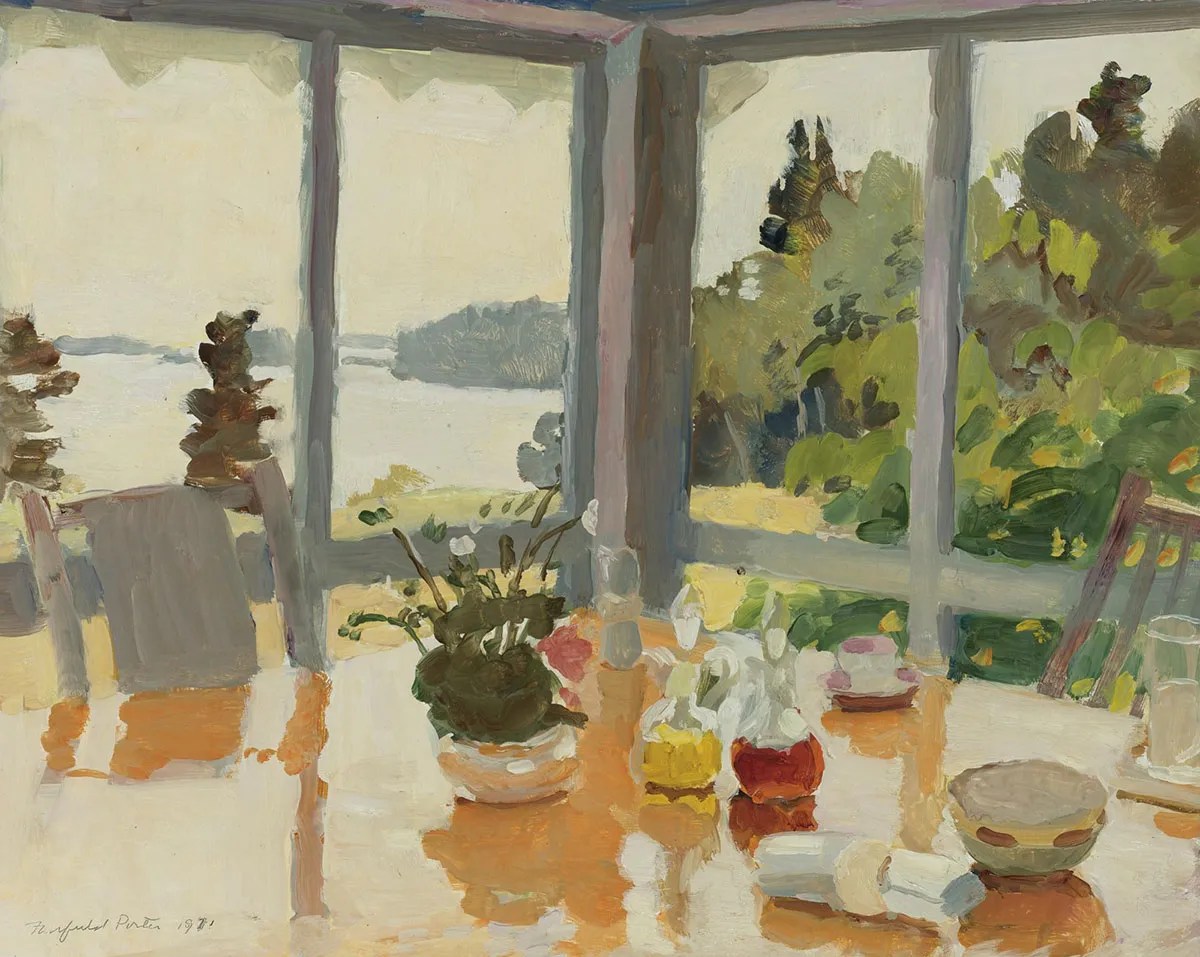
 Paradiso